
Heading to Lake Garda and wondering where to base yourself and how to fill your days ? Honestly, the lake is huge – over 50 km long – so picking the wrong village can mean hours wasted in traffic. Here’s where to sleep depending on your budget, and a realistic 4-day itinerary that actually works without burning you out.
Where to stay at Lake Garda by budget
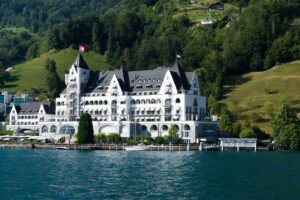
The lake is split into three zones : the south (flat, busy, family-friendly), the centre (where the cliffs start, more dramatic landscapes), and the north (mountainous, windy, perfect for sports). Each has its own vibe and its own price tag.
If you want to compare hotels across the different villages before deciding, https://1001-hotels.com is a useful place to start because it pulls together listings from multiple booking platforms in one place. Saves you the hassle of jumping between five different sites.
Budget travellers (under 80€/night)
Peschiera del Garda is your best bet. It’s at the southern tip of the lake, has a train station with direct connections to Verona and Milan, and accommodation is genuinely affordable. You’ll find 2 or 3-star hotels and B&Bs between 60 and 80€ a night in shoulder season. The old town is charming, surrounded by Venetian walls (UNESCO listed since 2017), and you’re close to Gardaland if you’re travelling with kids.
Desenzano del Garda is a solid alternative, also on the south shore. Bigger town, more restaurants, and the train connections are excellent. Expect similar prices.
Mid-range (80–150€/night)
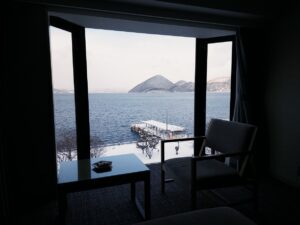
Bardolino on the eastern shore is where I’d send most people. It’s lively without being chaotic, the lakeside promenade is beautiful, and you’re in the heart of wine country (Bardolino DOC, obviously). Hotels around 100–130€ a night in May or September.
Garda (yes, the village shares the lake’s name) is another good pick. Slightly more upmarket than Bardolino, with a lovely old centre and direct ferry access to other villages.
Riva del Garda in the north is great if you like sports – windsurfing, hiking, biking. Prices similar to Bardolino, but the atmosphere is more mountain-resort than Italian Riviera.
Higher budget (150€ and up)
Sirmione is the showstopper. A peninsula jutting into the lake, with thermal baths, a 13th-century castle, and Roman ruins. Stunning, but pricey – 4-star hotels easily go above 200€ a night, and parking is a nightmare in summer. Worth it for a romantic weekend, less so for a long stay with family.
Limone sul Garda on the western shore is dramatic – village squeezed between the lake and vertical cliffs. Beautiful, but limited and the access by road is winding.
Malcesine, also on the eastern shore, has a gorgeous medieval castle and the Monte Baldo cable car. Higher end hotels around 150–250€.
4-day itinerary at Lake Garda : realistic and well balanced
Four days is honestly the sweet spot. Enough to see the main villages, swim, eat properly, and not feel rushed. Here’s how I’d organise it.
Day 1: South shore – Sirmione and Peschiera
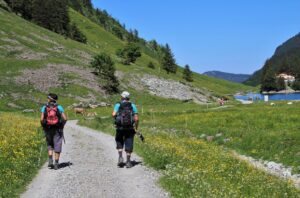
Start with Sirmione in the morning, before the crowds (arrive by 9am ideally). Visit the Scaliger Castle (around 8€ entry), walk to the Grotte di Catullo at the tip of the peninsula (Roman villa ruins, 10€ entry, incredible setting). Lunch in the old town – try a place away from the main pedestrian street, prices are 30 to 40% lower one block over.
Afternoon : drive or take the train to Peschiera del Garda. Walk the Venetian walls, have a gelato by the canals. If it’s hot, swim at the Lido Campagnola beach.
Day 2: Eastern shore – Bardolino and Garda
Bardolino in the morning for the lakeside promenade and the Romanesque San Severo church. If you’re into wine, the Museo del Vino Zeni is free and actually interesting – not just a boring exhibition.
Lunch in Garda village, then take the ferry across the lake to Salò or Gardone Riviera on the western shore. The Vittoriale degli Italiani in Gardone (D’Annunzio’s eccentric estate) is genuinely unusual – 18€ entry, allow 2 hours.
Back to your hotel by ferry at sunset. The light on the water around 7pm in summer is honestly one of the best moments of the trip.
Day 3: Northern lake – Malcesine and Monte Baldo
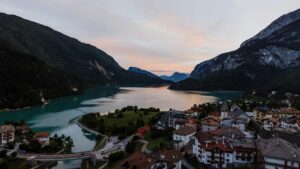
Drive up to Malcesine. The medieval castle is worth a quick visit (6€). But the real reason to come is the Monte Baldo cable car. Round trip is around 25€, takes you up to 1,760 metres in 10 minutes, with a panoramic view of the entire lake. Bring warm clothes – it’s 15°C colder at the top.
Spend the afternoon up there walking the easy trails, or paragliding if you’re brave. Back down for dinner in Malcesine’s old town.
Day 4: Riva del Garda and Limone
Head to Riva del Garda at the northern tip. The vibe changes completely here – mountains plunging into the water, more of an alpine feel. The Bastione fortress above the town offers the best free viewpoint of the trip, 20 minutes uphill walk or a small lift (3€).
In the afternoon, drive (or boat) to Limone sul Garda. Visit the old lemon greenhouses (Limonaia del Castèl, 5€), wander the narrow streets, and enjoy lunch with a lake view.
Practical tips before you go
When to visit : May, June and September are the sweet spot. July and August are crowded and hot. Avoid August 15th week at all costs – half of Italy is on holiday and prices double.
How to get around : Renting a car gives you the most freedom, but parking in Sirmione and Limone is rough. Ferries are scenic and surprisingly efficient – a daily pass (Biglietto Giornaliero) is around 27€ and lets you hop between villages. Trains only serve the southern shore.
Where to eat smart : Avoid restaurants with pictures on the menu or staff calling you from the door. Walk 100 metres inland from the lakeside and prices drop significantly for the same food.
The honest verdict : If it’s your first time, base yourself in Bardolino or Garda. Central, affordable, well-connected by ferry, and you can explore both shores without losing half your trip to driving. Skip the temptation to stay in Sirmione unless you’re there for two nights max and willing to pay the premium.
Related Posts
Camping in Vendée with water slides : the campsites actually worth the trip
Looking for a campsite in Vendée with proper water slides…